Top-Rated Moss Removal Victoria for Preventing Roof Decay
Efficient Roof Moss Removal: Revive Your Roof's Condition and Extended Life
Effective roof moss removal is imperative for maintaining the structural integrity and life expectancy of a home. Moss can trap moisture, producing probable impairment to roofing materials and costly repairs. Home occupants should be familiar with signs indicating a moss situation and learn the diverse methods available for cautious extraction. However, the question remains: what are the most effective strategies for making certain the roof remains moss-free in the future? Exploring these approaches is essential for sound residential care.
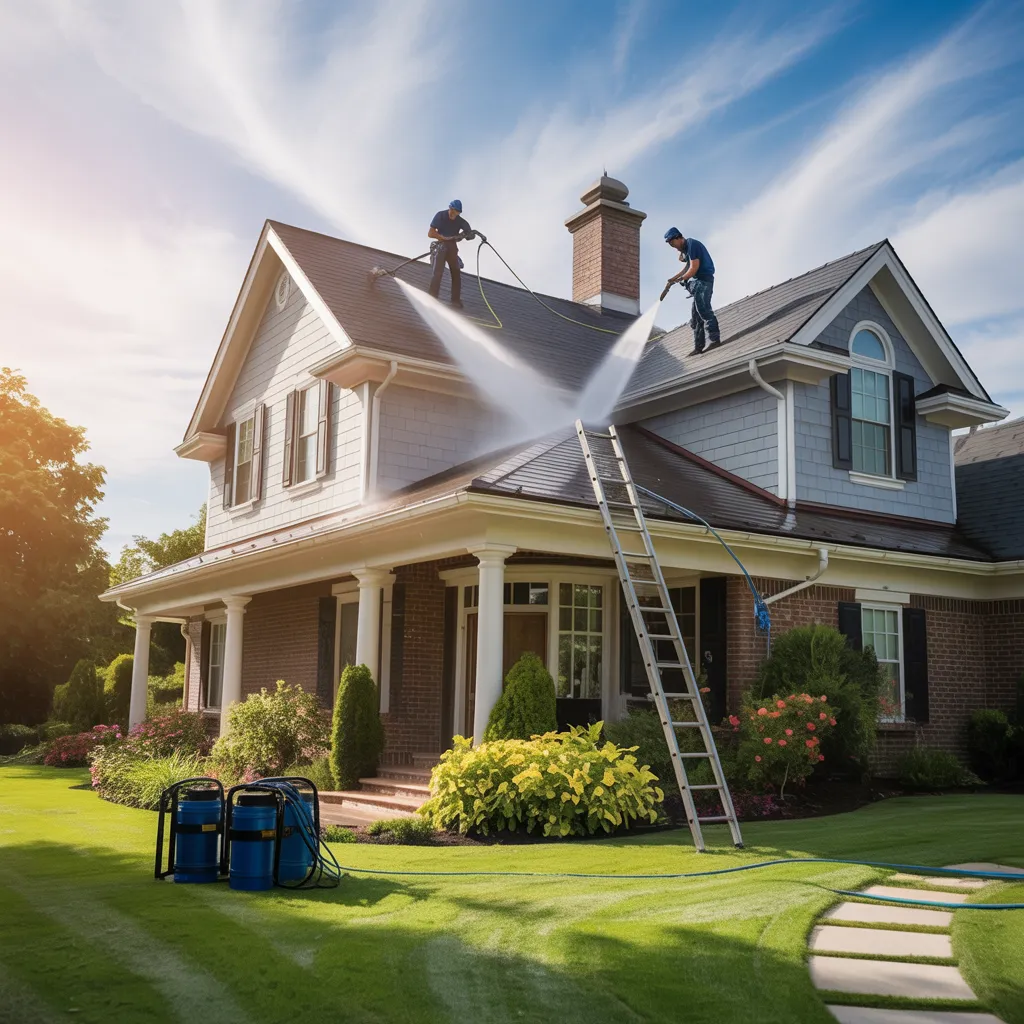
Grasping the Perils of Moss on Your Roof
Moss on a roof can create significant threats to the stability of a home. It thrives in damp, shaded areas, leading to moisture retention that can degrade roofing materials over time. As moss grows, it can lift shingles, forming gaps that allow water infiltration. This can result in leaks, which may cause severe damage to ceilings, walls, and insulation. Additionally, the existence of moss can promote the growth of other harmful organisms, such as mold and algae, additionally weakening the roof's structure. The weight of accumulated moss can also strain the roofing system, particularly in areas with heavy rainfall. Homeowners may face increased repair costs and reduced property value if the moss issue is not addressed promptly. Ultimately, understanding these risks is essential for maintaining a safe and sound home environment and ensuring the longevity of the roofing system.
Signs of a Moss Issue
A burgeoning region of green on a roof can typically signal a moss problem. Owners should be vigilant about the presence of moss, as it can reveal underlying troubles affecting their roof's strength. Moss thrives in damp, shaded areas, commonly spotted on roofs with poor water runoff or overhanging trees. If moss is visible, it may be joined by other signs, such as dark streaks or discoloration on shingles, which can propose dampness and deterioration of roofing materials.
Additionally, property owners should monitor for increased granule loss from shingles, as moss can retain water, causing accelerated wear. Curled or lifted shingles may also suggest that moss has damaged the roof's structure. Routine inspections, particularly after heavy rain, can help detect these problems early. Recognizing these signs is essential for maintaining a roof's lifespan and preventing costly repairs.
Your Step-by-Step Guide to Getting Rid of Moss
Taking away moss from a roof demands careful planning and execution to safeguard the roofing materials while guaranteeing a thorough clean. First, the individual should collect required materials, including a soft-bristle brush, ladder, and safety gear. Before starting, it is critical to evaluate the roof's condition and locate areas heavily affected by moss.
Next, the individual should place the ladder securely, ensuring stability. Starting from the peak, they can gently brush away moss, moving downwards to prevent debris from damaging lower sections. For resistant patches, a mixture of water and gentle soap may be applied, letting it to soak for a few minutes before scrubbing.
Upon removal, flushing the roof with a garden hose is essential to eliminate any remaining moss and cleaning solution. Finally, the individual should survey the roof and surrounding areas for any debris, ensuring a clean finish that promotes long-term roof health.
When might you want Chemical Moss Elimination Products?
While numerous homeowners favor organic methods for moss elimination, there are situations when chemical solutions are required. When moss expansion is extensive and firmly established, chemical solutions can effectively penetrate and eliminate the problem more efficiently than manual methods. This is especially true for roofs with key information sharp angles or difficult locations where conventional methods may pose safety risks.
In addition, chemical solutions are practical in circumstances where rapid results are needed, such as before selling a property or during routine upkeep. They can also be practical for roofs made from materials that are less resistant of mechanical cleaning, like asphalt shingles.
However, property owners should be careful, reading labels thoroughly to confirm the chosen product is appropriate for their roofing material and the surrounding environment. Ultimately, moss elimination treatments should serve as a tool to enhance a broader upkeep plan, making sure the roof stays in peak condition.
Powerful Techniques to Prevent Moss Regrowth
Chemical solutions can successfully address current moss infestations, but stopping regrowth is just as crucial for long-term roof upkeep. One effective strategy is to increase sunlight penetration. Trim overhanging branches to allow more sunlight to reach the roof, as moss thrives in shady environments. Additionally, ensuring proper roof airflow can reduce moisture levels, making the surface less hospitable to moss growth.
Regular cleaning also plays a crucial role. Gently removing debris such as leaves and dirt helps prevent moisture accumulation. Installing zinc or copper strips along the roof ridges can discourage moss growth, as the metal ions wash down during rain. Proper drainage is essential; clogged gutters can lead to water pooling, creating an ideal environment for moss. Finally, routine inspections can help identify early signs of moss and allow for prompt action, maintaining the roof's integrity and extending its lifespan.
Is It Wise to Bring in a Technician for Roof Cleaning?
Is hiring an expert for roof care truly a sound investment? This concern often emerges for residents struggling with buildup of moss and debris. While self-service approaches may appear affordable, the dangers of roof cleaning can be significant. Experts have the proper equipment, experience, and safety training to perform the work productively, decreasing the chance of damage to the roof or injury to the homeowner.
In addition, professionals can identify underlying problems that may not be apparent to the casual observer, such as physical deterioration or probable leaks. This swift identification can spare homeowners from expensive repairs down the line. Employing an expert also assures that the cleaning is done using suitable methods and green products, which can extend the roof's durability. Ultimately, selecting expert roof care can provide peace of mind and protect the structural integrity of the home, making it a practical choice for many homeowners.
Complete Year Roofing Care Strategies
To keep a roofing system in optimal condition year-round, it is crucial to care for its integrity and extend its lifespan. Inspections should be regularly executed at least twice yearly, preferably in spring and the fall, to detect potential issues like damaged shingles or debris accumulation. Clearing gutters and downspouts of leaves and dirt avoids water backup, reducing the risk of leaks and mold formation.
As winter arrives, property owners must check for ice dams, which can inflict significant damage. Installing suitable insulation and ventilation supports efforts to minimize this risk. Throughout warm weather, applying a moss or algae treatment can curb growth and preserve aesthetics.
Additionally, cutting protruding limbs minimizes shade and moisture accumulation, preventing moss growth. Finally, keeping watch on the roof's sealing and flashing guarantees that any required repairs are promptly completed, protecting the roof's general health and function. By adhering to these tips, property owners can successfully maintain their roofs throughout the seasons.

Inquiries That Are Often Asked
Can Moss Impact Your Home's Power Consumption?
Yes, moss can harm a home's power performance. It captures water, leading to possible structural deterioration and increased heat loss. As a result, homeowners may experience increased utility costs and reduced overall comfort within their living spaces.
Which Equipment Are Indispensable for Moss Eradication?
Key implements needed for removing moss include a roof rake, a stiff-bristle brush, a pressure washer, safety goggles, and a harness. These implements facilitate efficient and safe elimination, aiding in preservation of the roof's strength and durability.
How Many Times Should I Check My Roof for Algae Growth?
Regular roof checks for moss should occur at least twice a year, preferably in spring and fall. This preventive strategy helps detect growth early, preventing potential damage and preserving the roof's overall condition and longevity.
Is It Safe to Apply Pressure Washing on My Roof?
Pressure washing a roof may be risky, potentially damaging shingles and removing granules. Experts often recommend alternative cleaning methods to safeguard the roof's structure while effectively addressing moss and debris accumulation for long-term care.
What Represent the Best Weather Conditions for Moss Removal?
Prime weather for moss removal includes mild and dry days featuring temperature ranges between 50°F and 80°F. Steer clear of wet or extremely warm conditions, since moisture can reduce results and high temperatures may harm roof materials.